Dental Crowns in 2026: When You Need One, Types Available, and What to Expect
A dental crown protects a weakened tooth, restores a broken one, or covers a dental implant. With several materials available — ceramic, zirconia, metal-ceramic — choosing the right crown matters for longevity and appearance. Here is your complete guide.
When Does a Tooth Need a Crown?
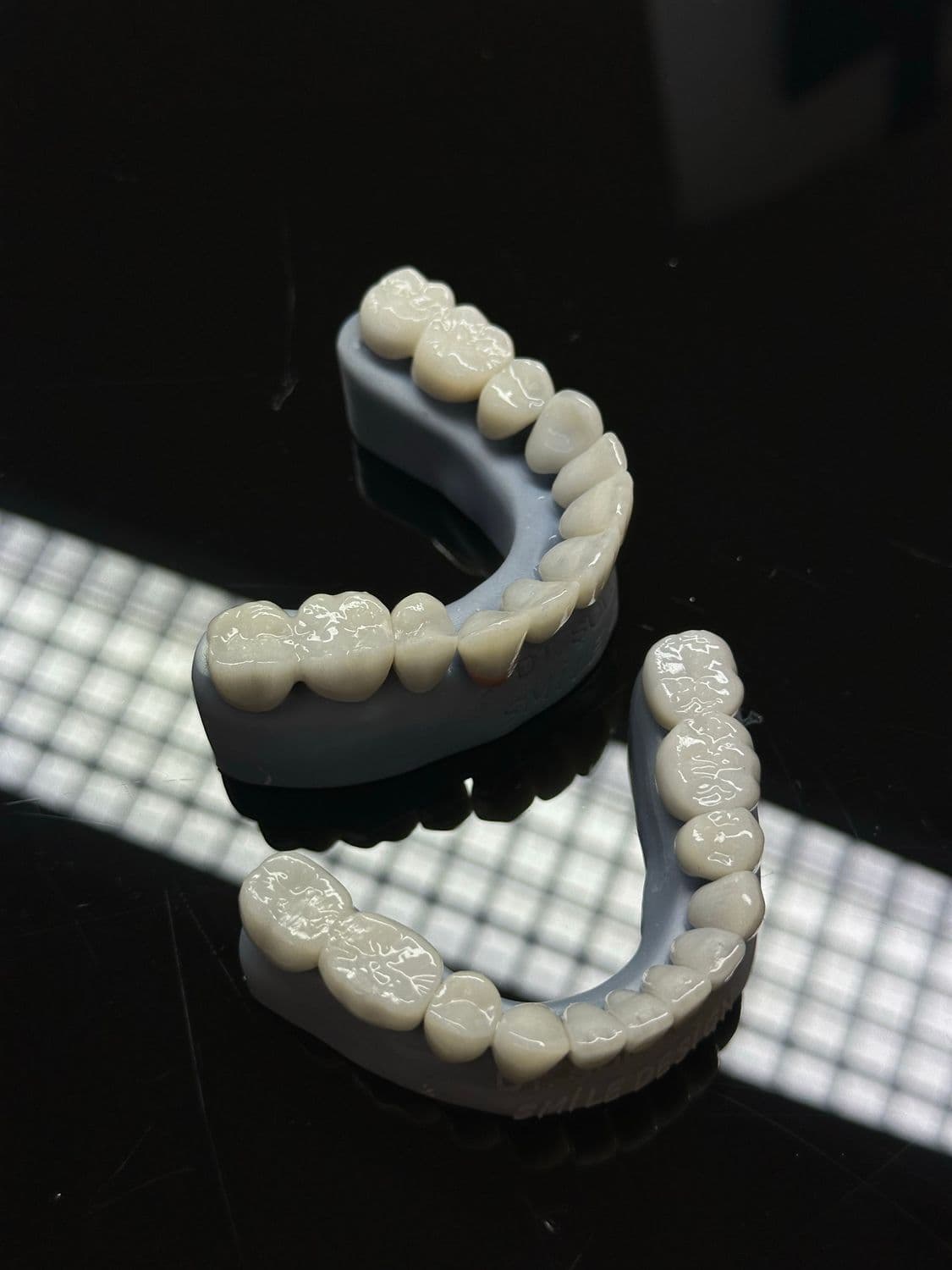
A dental crown — commonly called a 'cap' — is recommended when a tooth is too damaged to be restored with a simple filling alone. Common situations include teeth weakened by large cavities where more than half the tooth structure is lost, teeth that have undergone root canal treatment and need protection from fracture, cracked or fractured teeth that need to be held together, severely worn-down teeth from grinding or acid erosion, teeth with old large fillings that are failing, and dental implants that need a visible tooth portion attached.
A crown encases the entire visible portion of the tooth above the gum line, providing strength, protection, and a natural appearance. At Ashirvad Dental Clinic in Subhanpura, Vadodara, Dr. Manan Buch (MDS Prosthodontics) specialises in crown restorations using the latest materials and techniques.
Types of Dental Crowns Available Today
Zirconia crowns are currently the gold standard for most situations. Made from zirconium dioxide, they combine exceptional strength with excellent aesthetics. Zirconia is tooth-coloured, highly durable, biocompatible, and suitable for both front and back teeth. They resist chipping and staining better than other ceramic options.
All-ceramic crowns (lithium disilicate) offer the most natural translucency, making them ideal for front teeth where appearance is the top priority. They are slightly less strong than zirconia but provide superior aesthetics for visible teeth.
Metal-ceramic (PFM) crowns have a metal base covered with porcelain. They are durable and more affordable than all-ceramic options, but the metal edge can sometimes show as a dark line at the gum margin over time. They are a good choice for back teeth where strength matters more than aesthetics.
Gold alloy crowns are the most durable option and are sometimes recommended for back teeth in patients who grind heavily. They require minimal tooth removal and cause less wear to opposing teeth, but their gold colour makes them unsuitable for visible teeth.
The Crown Procedure: Step by Step
Getting a dental crown at Ashirvad Dental Clinic typically requires two visits. During the first visit, the tooth is prepared by removing a thin layer of enamel to make room for the crown. Digital impressions are taken and sent to our dental laboratory where your custom crown is fabricated. A temporary crown is placed to protect the tooth while the permanent crown is being made.
At the second visit (usually one to two weeks later), the temporary crown is removed and the permanent crown is checked for fit, colour match, and bite alignment. Once everything is perfect, the crown is permanently cemented in place.
The entire procedure is performed under local anaesthesia and is virtually painless. Most patients experience only mild sensitivity for a few days after each visit, which resolves quickly on its own.
How Long Do Crowns Last?
The lifespan of a dental crown depends on the material, your oral hygiene, and your habits. Zirconia and gold crowns typically last fifteen to twenty-five years or more with proper care. All-ceramic crowns last ten to fifteen years. Metal-ceramic crowns last ten to twenty years.
Factors that shorten crown lifespan include teeth grinding (a night guard is essential if you grind), poor oral hygiene leading to decay at the crown margins, chewing on hard objects like ice or pens, and irregular dental check-ups that miss early signs of problems.
Regular six-monthly check-ups allow your dentist to monitor the crown, check for any signs of wear, loosening, or decay around the margins, and address issues before they become serious.
At Ashirvad Dental Clinic, we use premium crown materials and precise fabrication techniques to maximise longevity. Dr. Manan Buch's expertise in prosthodontics ensures each crown is designed for optimal fit, function, and aesthetics.
A dental crown is one of the most common and effective dental restorations — protecting damaged teeth and restoring their natural appearance and function. Choosing the right material and an experienced prosthodontist for placement ensures your crown looks natural and lasts for years. For a crown consultation, visit Ashirvad Dental Clinic in Subhanpura, Vadodara — call +91 74061 27475.
Related Services at Ashirvad Dental Clinic
Ready to take the next step?
Book a consultation with our specialists at Ashirvad Dental Clinic, Subhanpura.
More Articles

Gum Recession: Why Your Teeth Look Longer and What to Do Before It Gets Worse
Have you noticed your teeth looking longer than they used to, or sensitivity near the gum line? Gum recession is a slow, progressive condition that many people ignore until significant damage has occurred. Understanding the causes and early treatment options can save your teeth.

What Is the Right Age for Braces? A Guide for Parents in Vadodara
Should your child get braces at eight, twelve, or wait until all permanent teeth come in? Timing orthodontic treatment correctly can mean shorter treatment, better results, and lower costs. Here is when to start — and when to wait.
Navratri and Festive Dental Tips: Protect Your Teeth During the Celebration Season
Navratri brings late nights, fasting routines, and plenty of sugary prasad. While you celebrate, your teeth face extra challenges. Here are practical tips to enjoy the festivities without compromising your dental health.

How Sugar Destroys Your Teeth: The Science Behind Cavities and What to Do About It
Everyone knows sugar is bad for teeth — but few understand exactly how it causes cavities. Understanding the science helps you make smarter dietary choices that genuinely protect your teeth. Here is what happens inside your mouth every time you eat something sweet.